Blue Flower Decorative Floral Element: An Objective Review for Decision-Makers
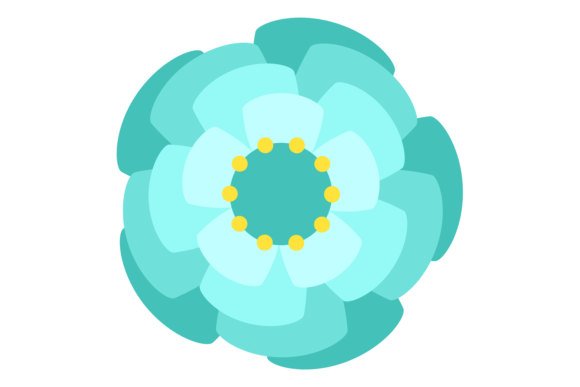
Selecting the right decorative element can quietly define the tone of a project, whether you are designing a wedding invitation, refreshing a brand identity, or crafting digital content. Among the countless botanical options available, a blue flower decorative floral element — presented as a cute botany illustration isolated on a white background — has become a popular candidate. This article evaluates that specific resource, examining its file formats, practical strengths, limitations, and the contexts where it truly shines or falls short. The goal is to help you decide if this particular asset matches your creative needs without overpromising or underdelivering.
What Exactly Is This Blue Flower Decorative Element?
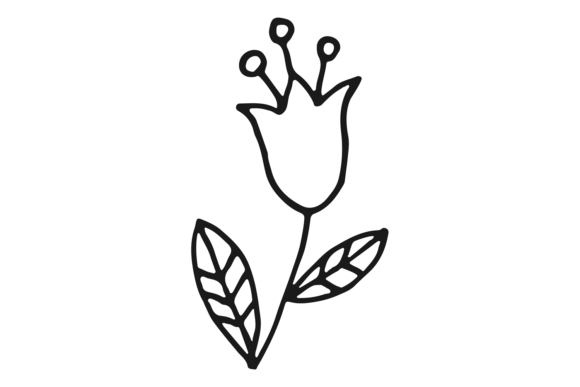
At its core, the product is a single, digitally drawn flower in a soft blue color palette. The illustration leans toward a delicate, approachable botanical style — often described as “cute” or whimsical — and it is presented on a clean white backdrop. The visual isolation makes it easy to drop into various layouts without background clashes. What distinguishes it from a simple photograph is the vector-based artistic rendering, which allows for crisp scaling without loss of quality, provided you use the appropriate file format.
The package typically includes multiple file types: EPS, JPG, SVG, and a transparent PNG. Each format serves a different purpose, and understanding these distinctions is crucial for an informed selection. The blue flower is not a complex bouquet or a layered botanical scene; it is a standalone decorative flourish. That simplicity is both a strength and a characteristic you should weigh against the demands of your project.
Why Consider a Single Decorative Floral Element?
People gravitate toward isolated floral graphics for several practical reasons. First, they offer immediate visual uplift without overwhelming a composition. A well-placed blue flower can act as a corner accent on stationery, a soft bullet point alternative in digital presentations, or a subtle branding mark on product packaging. Because the element is self-contained, you avoid the busyness that sometimes comes with larger floral bundles or pattern sets.
Second, the “cute botany” aesthetic carries broad appeal. It communicates gentleness, nature, and a hand-drawn warmth that stock photography or rigid icons often lack. For small business owners selling handmade goods, yoga instructors designing class schedules, or bloggers refreshing their site graphics, a charming floral detail can build a recognizable visual signature. The blue hue adds a calming, trustworthy quality that is less aggressive than red or orange blossoms and more distinctive than ubiquitous pink or green florals.
Finally, the file variety reduces technical friction. You do not need to convert or redraw the flower yourself; you simply choose the format that matches your software and output intent. This plug-and-play convenience saves time for both experienced designers and beginners.
Breaking Down the File Formats and Their Impact
An honest evaluation cannot overlook what these four file types enable or restrict. The EPS file is a vector treasure: it can be opened in Adobe Illustrator, CorelDRAW, or other professional vector editors, allowing you to recolor, resize infinitely, and break apart elements. If you plan to use the blue flower on large-format prints like banners or signage, the EPS path guarantees sharpness at any dimension.
The SVG format is also vector-based and is widely supported by modern web browsers and cutting-machine software like Cricut Design Space. This makes it the go-to for crafters who want to cut the flower shape from vinyl, paper, or fabric. SVG files maintain editability in many free programs, including Inkscape, which lowers the barrier for hobbyists.
The transparent PNG is a raster image with a clear background. It works seamlessly in most graphic design tools, presentation software, and even word processors. Because the background is removed, you can layer the blue flower over colored blocks, photographs, or patterned surfaces without a white box. The tradeoff is that scaling it up beyond its original pixel dimensions will introduce blurriness. For digital screens and moderate print sizes, however, a high-resolution transparent PNG is often more than sufficient.
Lastly, the JPG file is a flattened image with a white background. It is the most widely compatible format, ideal for quick sharing or insertion into documents where transparency is not required. Its smaller file size is friendly for email and web, but it lacks the editing flexibility of the vector options. Knowing when to use each format shapes how smoothly the blue flower integrates into your workflow.
Practical Benefits and What You Can Realistically Expect
Users evaluating this blue flower decorative floral element often highlight a few consistent benefits. First, the clean isolation on white means no time wasted clipping backgrounds — a common frustration with free clipart. The transparent PNG alone saves minutes of tedious selection work. Second, the vector files grant complete color control. If the existing shade of blue does not match your brand palette, you can tweak it precisely in seconds, provided you have vector editing software. This adaptability extends the element’s lifespan across multiple projects.
Another practical gain is file size management. An SVG vector is typically lightweight, helping your website load faster compared to heavy raster images. If you are a web designer or a digital content creator, that performance edge matters.
On the creative side, the cute botany style fits a broad range of themes: spring events, baby showers, eco-friendly campaigns, self-care branding, and floral journaling kits. Because the flower is whimsical rather than photorealistic, it injects personality into templates without appearing stiff or overly formal.
Tradeoffs and Limitations to Keep in Mind
No graphic asset is perfect for every situation, and a balanced evaluation requires acknowledging the tradeoffs. The most obvious limitation is that you receive a single decorative element — not a set. If you need a cohesive floral arrangement, multiple blossom styles, or accompanying greenery, you will likely need to purchase additional assets or bundle the blue flower with other designs manually. This can increase the total investment and design time if your vision requires more complexity.
The style, while charming, may also feel too casual for certain corporate or luxury contexts. A law firm’s letterhead or a high-end jewelry brand might find the cute botany aesthetic misaligned with a professional or exclusive image. Matching the tone to the audience is key; the blue flower is soft and approachable, which is a double-edged sword depending on your market positioning.
Additionally, editing vector files assumes a degree of software literacy. While an EPS or SVG is powerful, a complete beginner may find themselves lost in Illustrator, unsure how to isolate paths or apply a gradient. In such cases, the element might remain unused or improperly handled. Relying solely on the PNG limits scaling, so if you print the flower on a large poster without the vector source, the result may appear pixelated.
When This Blue Flower Element Is a Strong Fit
There are clear situations where this decorative floral element excels. For DIY wedding stationery — save-the-date cards, menus, or place cards — the blue flower adds a consistent, delicate accent. Its transparent PNG can be placed in corners of Canva templates, while the SVG can be resized for various print sizes without quality loss.
Crafters using Cricut or Silhouette machines also benefit immensely. The SVG format’s clean lines translate directly into precise cuts, whether you are creating vinyl decals for tumblers, heat-transfer designs for fabric, or stencils for wood signs. The cute botany shape is simple enough to cut cleanly, even with fine details, and the blue color can be translated into a monochromatic cut while still being visually appealing.
Small-scale branding represents another sweet spot. A local florist, a skincare artisan, or a wellness coach could incorporate the blue flower as a visual signature on social media posts, email headers, or product labels. Because it is isolated, the element layers well over brand colors, creating a consistent look without commissioning custom illustration from scratch.
Alternatives Worth Considering in Different Contexts
There are times when looking beyond this single asset is the smarter move. If you require a full floral frame, wreath, or seamless pattern, sourcing a comprehensive bundle or hiring an illustrator may result in a more cohesive final product. A single flower, repeated haphazardly, can look repetitive and uninspired; experienced designers often need variety in petal shapes, angles, or foliage to build depth.
For projects with a strict, pre-defined color scheme that does not include blue, you might find a neutral botanical element in gray, black, or a custom hue from the start. While you can recolor the vector file, some users lack the tools or time to do so accurately. In such cases, a set offering multiple color variants out of the box might be more efficient.
If your output is intended for large-format screen printing with complex color separations, a single, solid-colored flower may appear too flat. Photorealistic floral photography or richly shaded illustrations often hold visual interest better at large scale. The cute botany minimalism can look sparse when blown up to poster size unless cleverly combined with typography or other graphic elements.
Key Questions to Ask Before You Commit
Decision-makers can cut through uncertainty by running through a few practical checks. First, confirm your primary design software and identify which file format it handles best. If you primarily work in Canva or PowerPoint, a high-resolution transparent PNG is your friend, and you may never touch the EPS. If you rely on Silhouette Studio, the SVG is essential. Buying a pack that includes formats you will never use is not a dealbreaker, but understanding which one drives your workflow prevents disappointment.
Second, evaluate whether the flower’s style matches the feeling you need to convey. Look closely at sample images: is the petal shape organic enough? Are the lines too thin for your intended use? The “cute” descriptor is subjective, so examine previews critically. A floral element that looks lovely on screen might feel childish or overly delicate in a different medium.
Third, consider licensing. Most commercial-use graphics permit use on products for sale, but restrictions can apply to mass production or trademarking. Read the terms to ensure you can safely use the blue flower on merchandise, in logos, or within client work.
Making the Final Decision
Choosing a decorative floral element rarely involves a single dramatic moment of insight; it is a cumulative evaluation of usability, style, and fit. The blue flower discussed here offers excellent versatility through its multi-format package and its simple, cheerful aesthetic. If you need a quick, polished accent to elevate an invitation, a craft project, or a digital graphic, the combination of file types covers most modern creative needs. The vector capability protects your work from scaling issues, while the transparent PNG keeps everyday design flowing smoothly.
Yet practicality also means recognizing when a lone flower feels insufficient. For complex, layered designs or brand identities that demand a more sophisticated or varied botanical language, this element may serve better as a supporting component rather than the star. By mapping out what you actually need — a single accent, a fully editable shape, or a complete design system — you can move forward with clarity, whether that means adding this blue flower to your toolkit or continuing your search for a different decorative solution.