Circle Frame with White Floral Border
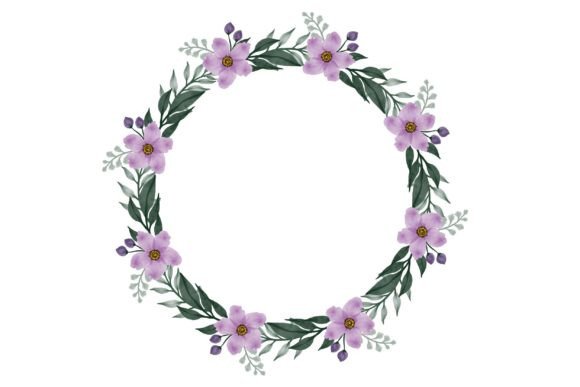
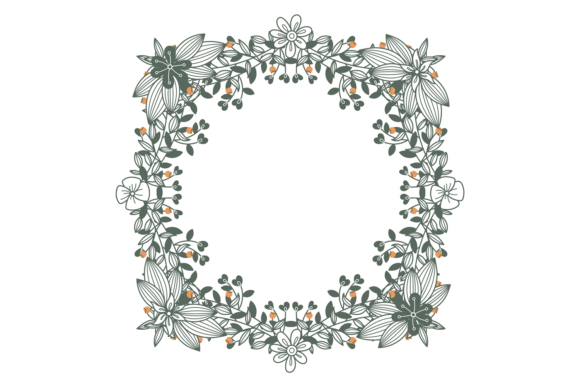
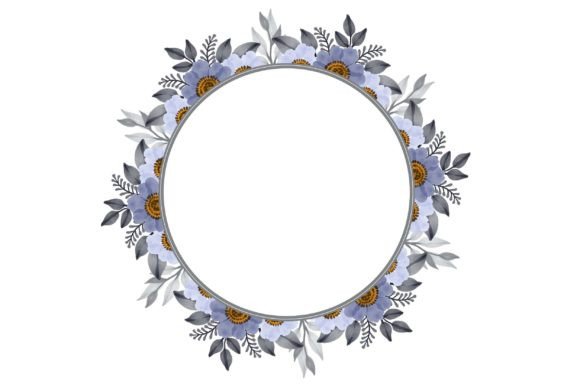
Finding the right decorative element to anchor a design project can take more time than the actual creative work itself. A circle frame with white floral border offers something refreshingly versatile, combining clean geometric structure with the softness of botanical detail. This particular illustration features a watercolor floral arrangement that wraps around a circular composition, creating a gentle, organic frame that leaves the center open for custom content. Whether you're designing a wedding invitation suite, refreshing your brand's social media templates, or creating products for a small shop, this type of artwork solves a recurring challenge: how to add warmth and personality without overwhelming the message.
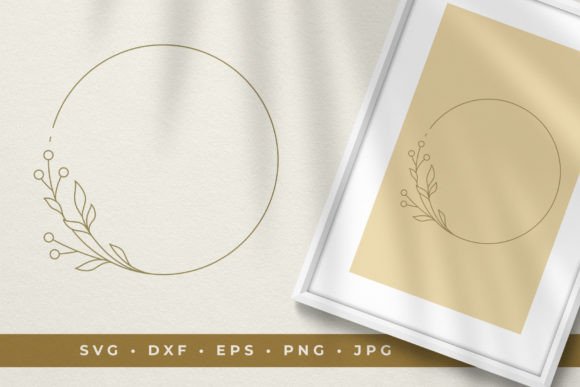
The files come in three formats: .EPS 10 for full vector editing, .JPG for quick placement, and .PNG with transparency for layering over colored backgrounds or photographs. This combination means you can scale the artwork for anything from a tiny mug decal to a large fabric repeat without losing quality, assuming you work from the vector file for significant resizing.
What Makes This Watercolor Floral Illustration Stand Out
Watercolor as a medium brings a lightness that vector-based floral elements sometimes lack. The pigments bleed slightly at the edges, petals overlap with subtle transparency, and the white blooms feel airy rather than heavy. When arranged into a circular frame, the flowers create a wreath-like silhouette that draws the eye inward. This makes it particularly useful for designs where you want to highlight something in the center without competing visual elements pulling attention away.
The white floral color palette is another understated strength. White flowers work across virtually any background, from dark navy to soft blush to natural kraft paper tones. They don't clash with existing brand colors, and they photograph well when applied to physical products. The illustration's watercolor texture also reads differently depending on the surface. On matte paper, it feels like a fine art print. On a glossy mug, the same design takes on a more polished, boutique feel.
Characteristics Worth Noting
Before integrating this illustration into your workflow, it helps to understand what you're working with. The circular composition is intentionally balanced, with florals distributed evenly around the border. There are no jarring gaps or awkward clusters. This suggests the artist paid attention to how the frame would function across different aspect ratios and placements.
- Scalability: The .EPS 10 format preserves every brushstroke as editable vector paths. Resize without pixelation.
- Transparency support: The .PNG file includes a transparent background, so the floral circle can float over photos, textures, or solid colors.
- Print-ready color profile: The watercolor pigments maintain their subtlety in CMYK conversion for commercial printing.
- White space in the center: The circular negative space is proportioned well for adding text, monograms, dates, or secondary illustrations.
Practical Applications Across Different Contexts
The range of uses listed for this illustration is genuinely broad, and that's not filler language. A circle frame with white floral border works across categories that many single-purpose graphics cannot stretch to cover. Let's look at where designers, makers, and business owners tend to use these files most effectively.
Wedding and Event Stationery
Invitation suites benefit enormously from a cohesive decorative motif. Using the watercolor floral circle as a frame, you can place the couple's names or the event date within the center. The same illustration then carries through to save-the-date cards, RSVP inserts, menus, place cards, and thank-you notes. Because the .EPS file lets you adjust colors, you can tint the white flowers slightly warmer or cooler to match the event palette without needing to commission additional artwork.
Product Design for Small Businesses
Makers selling on platforms like Etsy or at local markets often need artwork that licenses simply and applies to multiple product types. With the included formats, you can print the illustration onto mugs, t-shirts, tote bags, throw pillows, or fabric by the yard. The circular frame works especially well on products where a centered focal point is standard—think cushion covers, wall art prints, or ceramic coasters. The watercolor texture lends a handmade feel that resonates with customers looking for something that doesn't look mass-produced.
Branding and Content Creation
Bloggers, coaches, and service-based entrepreneurs frequently create quote graphics, webinar slides, lead magnet covers, and social media posts. A circle frame with white floral border can serve as a consistent visual signature. By placing the illustration behind a short testimonial, a tip box, or a profile photo, you add softness to an otherwise utilitarian layout. Over time, followers begin to associate that floral element with your content, which supports brand recognition without requiring a full custom illustration budget.
Home Décor and Wall Art
Wallpapers deserve a special mention. When printed at scale—think peel-and-stick wallpaper panels or fabric wall hangings—the circular floral frame gains an almost architectural presence. Repeating the motif in a grid or scattered pattern creates surface designs that feel intentional and restful. For a single statement piece, you can center the frame over a bed or mantel with a monogram or meaningful quote in the middle, printed to canvas or framed paper.
Why File Format Variety Matters
The inclusion of .EPS 10, .JPG, and .PNG formats is worth paying attention to because each serves a distinct purpose. If you only had a .JPG, you'd be limited to placing the illustration as-is at its native resolution. The .EPS format opens up professional workflows: opening the file in Adobe Illustrator lets you isolate individual flowers, recolor elements, rearrange the composition, or extract just the floral border for use in patterns. The .PNG with transparency is the format you'll likely reach for most often during everyday design work because it drops seamlessly into Canva, Photoshop, or even presentation software without requiring background removal.
For those creating merchandise, the vector format also matters for production. Print-on-demand services and screen printers often prefer or require vector files for clean output, especially when printing at larger dimensions. Having that file included from the start removes a common friction point.
Observations on Design Quality and Usability
Watercolor illustrations vary widely in quality. Some look digital and flat despite the paint effect. Others suffer from muddy color blending that doesn't reproduce well. The arrangement in this particular illustration shows deliberate composition—the white florals are distinct enough to read as individual blooms, and the greenery that connects them maintains a natural rhythm without becoming repetitive. The circular shape remains the clear visual priority, which is essential when the frame function is the primary reason someone purchases the file.
Another practical observation: white floral elements on a transparent background can disappear when placed on white or very light surfaces. This isn't a flaw, but it's something to plan around. If your intended background is pale, consider adding a subtle tint behind the frame or using the illustration on materials with natural tones like linen, kraft, or softly colored cardstock.
Getting the Most From the Illustration
To use this artwork effectively across multiple projects, keep the vector file organized and untouched as your master copy. Create duplicates for each project and work from those, preserving the original. When designing for print, test a small sample on the actual material before committing to a full run—watercolor details can render differently on absorbent versus coated surfaces. The subtle variations that make the illustration beautiful on screen may need slight contrast adjustments for certain print methods.
For digital use, the .PNG file typically requires minimal tweaking. Position the circle frame over your background, scale to fit, and place your content in the center. If you find the white florals competing with white text, a soft drop shadow or a semi-transparent circle behind the text can restore legibility without hiding the artwork.
Who Benefits From This Type of Illustration
The appeal crosses quite a few groups. Freelance graphic designers appreciate ready-to-use assets that reduce production time on client work. Wedding planners and stationery designers collect versatile floral frames that can adapt to different couple aesthetics. Makers and product designers look for artwork that translates across their entire catalog without needing separate purchases. Bloggers and content creators want something beautiful that doesn't require advanced design skills to implement. Educators and workshop facilitators can use the frame for certificates, handouts, or presentation slides where a touch of warmth softens the material.
There's also a practical angle for marketing professionals. When you're producing event materials, promotional graphics, or internal communications, having a few high-quality design elements on hand means you spend less time searching and more time executing. A circle frame with white floral border becomes one of those quiet workhorses in your asset library that gets used repeatedly because it fits so many contexts without looking out of place.
Things to Consider Before Purchasing
Check the licensing terms associated with the files. Some illustrations permit commercial use and product creation while others restrict redistribution or require attribution. Since this artwork is intended for wallpapers, invitations, products, and similar applications, it's likely offered under a standard commercial license, but confirming that upfront prevents issues later. Also consider the resolution of the .JPG file relative to your largest intended use; if you're printing billboard-sized graphics, you'll want to rely on the .EPS version entirely.
Take a close look at the watercolor detail in the preview images as well. The white floral arrangement against different backgrounds can help you gauge whether the style matches your project's needs. Watercolor art spans a broad aesthetic spectrum from loose and abstract to tight and botanical. This illustration leans toward a refined, romantic feel, which suits wedding, lifestyle, and boutique branding contexts particularly well.
When you invest in a versatile illustration like this, you're essentially adding a design tool to your kit that can surface across months or years of projects. The circular frame format never really goes out of style because it solves a fundamental visual need: containing and showcasing content within an attractive boundary. Combined with the timelessness of white florals and the organic quality of watercolor, this is an asset that stays relevant through shifting trends.