The Enduring Power of Floral Decorative Elements in Modern Visual Commerce
In a design landscape increasingly dominated by minimalism, stark geometry, and digital abstraction, one motif has refused to wilt: botanical ornamentation. Floral decorative elements—those versatile, nature-inspired visual components that artists and brands use to infuse warmth, elegance, and organic rhythm into their work—are experiencing a remarkable renaissance. Far from being a nostalgic throwback, these elements have become a strategic asset for entrepreneurs, apparel designers, stationery creators, and digital marketers who understand that consumers are craving visual experiences that feel alive, hand-touched, and emotionally resonant. This article explores why floral decorative elements have become indispensable across multiple creative industries, how they are shaping contemporary product design, and what their resurgence tells us about changing consumer sensibilities and the evolving creator economy.
Understanding Floral Decorative Elements Beyond Simple Embellishment
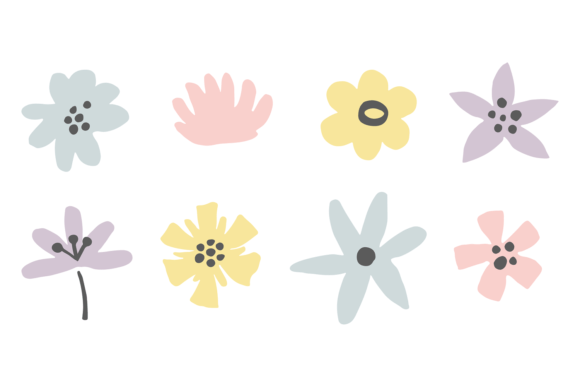
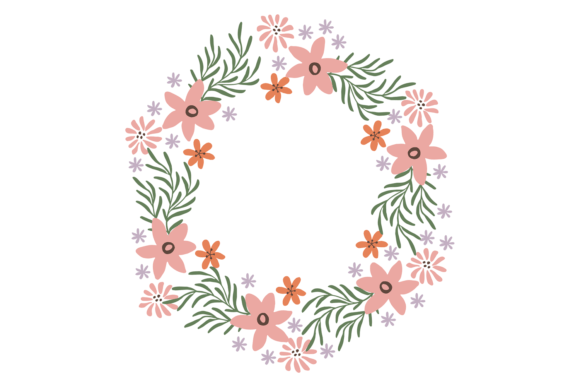
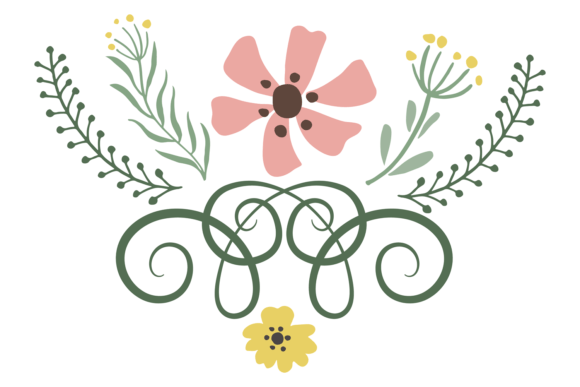
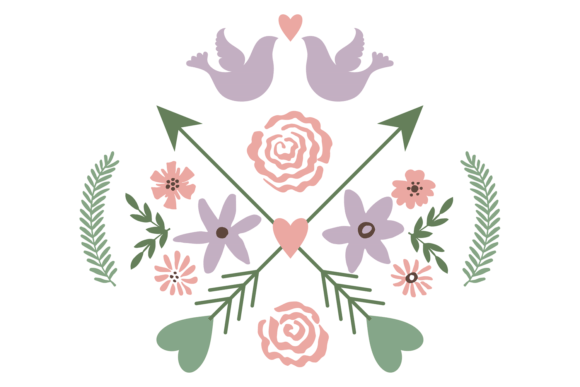
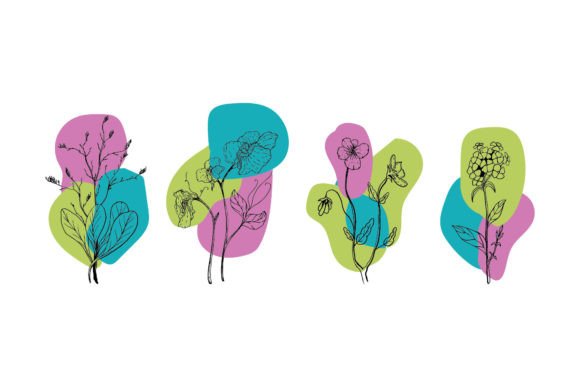
At their core, floral decorative elements are precisely what the name suggests: design assets featuring botanical motifs—blooms, leaves, vines, wreaths, petals, and foliage arrangements—that can be integrated into larger compositions. But reducing them to mere clip art would miss the point entirely. Contemporary floral design assets available to creators today are often meticulously composed, stylistically diverse, and engineered for maximum adaptability across media. They might arrive as a coordinated collection of vector illustrations that echo Scandinavian folk art, or as delicate watercolor peonies rendered with digital precision, or as bold tropical palm fronds suited to streetwear aesthetics.
The phrase Floreale decoratieve elementen—the Dutch rendering of the term—hints at the global and historically layered nature of botanical design language. From the ornate floral manuscripts of the Islamic Golden Age to the chintz fabrics of colonial trade routes, from Victorian-era herbarium prints to midcentury textile patterns, floral ornament has always been a visual lingua franca. What has changed is the accessibility and technical sophistication of these assets for today's independent creator. A single digital purchase can now unlock a world of professionally crafted botanical imagery ready to be applied to shirts, clothes, posters, stickers, tote bags, cards, and virtually any surface that can be printed or digitally rendered.
Why the Market Is Paying Renewed Attention to Botanical Design
The resurgence of interest in floral decorative elements is not accidental. It maps neatly onto several converging cultural and economic currents that are reshaping how products are designed, marketed, and consumed.
The Biophilic Design Movement Leaps Beyond Interiors
Biophilic design—the practice of incorporating natural elements into built environments to reduce stress and improve well-being—has been an influential force in architecture and interior design for years. That same impulse is now migrating aggressively into consumer goods, apparel, and personal accessories. A tote bag printed with lush botanical illustrations or a shirt adorned with thoughtfully placed floral motifs isn't just a fashion choice; it participates in a broader cultural desire to remain visually tethered to the natural world, even in urban, screen-saturated lives. Floral decorative elements serve as portable, wearable fragments of nature that satisfy a genuine psychological need for organic forms and textures.
The Maker Economy and the Democratization of Production
Perhaps the single largest driver of demand for high-quality floral design assets is the explosive growth of print-on-demand platforms, direct-to-consumer manufacturing, and independent creative entrepreneurship. Ten years ago, launching a clothing line or a stationery brand required substantial capital for inventory, screen printing setups, and minimum order quantities. Today, a freelance illustrator in Lisbon can design a floral pattern, upload it to a marketplace, and see it printed on demand across t-shirts, hoodies, tote bags, and art prints shipped to customers worldwide. This frictionless pathway from digital asset to physical product has created an enormous appetite for ready-to-use, professionally composed floral decorative elements that can be licensed, customized, and deployed rapidly across diverse product categories.
Personalization as a Consumer Expectation
Mass-produced generic designs no longer command the loyalty they once did. Consumers, particularly younger demographics, are drawn to brands and products that feel intentional, artisanal, and reflective of individual identity. Floral motifs, with their infinite varietal possibilities and stylistic interpretations, offer a rich vocabulary for personalization. A botanical illustration of native wildflowers carries different emotional and cultural resonances than a pattern of exotic tropical blooms, and smart brand owners are using these distinctions to segment audiences, tell stories, and create collections that feel curated rather than commoditized.
Practical Applications Across Diverse Product Categories
The versatility of well-prepared floral decorative elements is genuinely remarkable. Designers and business owners are discovering that a single coherent botanical asset collection can generate an entire product ecosystem, maintaining brand consistency while spanning vastly different formats and materials.
Apparel and textile goods represent perhaps the most visible application. A floral arrangement that works as a bold center graphic on a shirt can be scaled, recolored, and repeated as an all-over pattern for clothing, or isolated as a subtle pocket detail. The same vector file that produces a crisp screen print on cotton can be digitally printed onto polyester performance fabrics or heat-transferred onto denim. Tote bags and canvas pouches, with their generous print areas and natural fiber textures, seem almost purpose-built for botanical imagery. The organic irregularity of florals creates a pleasing tension with the structured geometry of a bag, resulting in products that feel both designed and alive.
Paper goods and stationery remain a cornerstone market. Greeting cards, wedding invitation suites, thank-you notes, and art prints all benefit enormously from the emotional inflection that floral decorative elements provide. A sprig of eucalyptus tucked into a corner of a minimalist card design can convey thoughtfulness and care without overwhelming the message. Stickers, meanwhile, have emerged as a surprisingly significant product category, fueled by the journaling, scrapbooking, and laptop-decorating communities. Floral sticker sheets, kiss-cut and ready to peel, turn botanical art into an interactive, collectible commodity with high perceived value and strong repeat purchase potential.
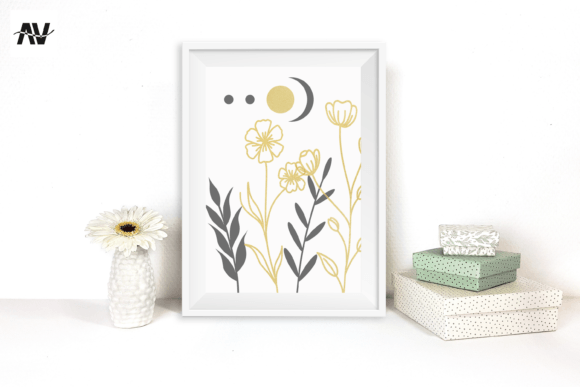
Posters and wall art represent the high-resolution frontier. When printed at larger scales—think 18 by 24 inches or beyond—the detail and craftsmanship of a floral composition become fully apparent. Vector-based floral assets, in particular, scale infinitely without quality loss, making them ideal for large-format printing. A customer who loves a particular botanical poster may later discover the same floral decorative elements on a matching apparel piece or a coordinated set of notecards, creating a cohesive lifestyle brand experience that deepens customer affinity.
Technology, File Formats, and the Modern Creative Workflow
For the working designer, the technical scaffolding behind a floral asset collection matters enormously. The digital product landscape has matured, and professionals now expect flexible, professionally formatted file packages that integrate seamlessly into diverse software environments and production pipelines.
A robust delivery of floral decorative elements today typically includes multiple file formats, each optimized for a different use case. An AI (Adobe Illustrator) file preserves full editability—every petal, leaf, and stem can be recolored, reshaped, or extracted for custom compositions. An EPS file ensures broad compatibility with older software and with print production workflows that demand encapsulated PostScript reliability. SVG format, increasingly essential, brings floral vector art into the browser-native ecosystem, enabling web designers and UI developers to integrate botanical elements into digital interfaces, app designs, and responsive web layouts without rasterization artifacts. JPG and PNG formats serve as quick-access raster options, with the transparency-supporting PNG being particularly valuable for mocking up products, layering designs onto lifestyle photography, and preparing assets for online marketplaces.
This multi-format approach reflects a broader maturation in how creative resources are packaged and sold. The era of downloading a single flattened image and trying to make it work across a dozen applications is fading. Today's independent designers and small business owners expect asset collections that respect their professional workflows and anticipate the full lifecycle of a design, from initial concept sketches through final production-ready export.
Navigating Quality and Authenticity in a Crowded Marketplace
With the proliferation of digital marketplaces and AI-generated imagery, discerning creators are becoming more selective about the design assets they invest in. A genuine, thoughtfully crafted set of floral decorative elements—drawn by a human illustrator with an eye for botanical accuracy, compositional balance, and stylistic coherence—stands apart from mass-produced or algorithmically generated alternatives. The difference is palpable in the final product. A hand-considered floral arrangement exhibits intentional line weight variation, natural clustering behavior, and a sensitivity to negative space that machine-generated patterns often fail to replicate.
For brands and entrepreneurs, this quality differential translates directly into market perception. A customer browsing a rack of t-shirts or scrolling through an online store can intuitively sense when a design has been carefully composed versus when it has been haphazardly assembled. In an attention economy where visual first impressions are made in milliseconds, the depth and authenticity of floral decorative elements can be a meaningful competitive advantage—particularly in saturated categories like apparel, home décor, and paper goods where differentiation is otherwise difficult to achieve.
The Broader Cultural Implications of Floral Design's Persistence
The staying power of botanical ornamentation across centuries and civilizations suggests something fundamental about human visual psychology. Floral patterns engage our pattern-recognition faculties in ways that purely geometric or abstract designs do not. They reference living systems—growth, seasonality, reproduction, decay, renewal—and tap into a deep reservoir of cultural meaning that spans celebrations, memorials, romance, and everyday beauty. In an increasingly digital and dematerialized world, floral imagery functions as a kind of visual anchor, reminding us of the tangible, the organic, and the cyclical.
For the modern creative professional, understanding this cultural weight is part of deploying floral decorative elements effectively. It is not simply about selecting pretty flowers and placing them on a product. It is about curating botanical references that resonate with a specific audience's aesthetic sensibilities and cultural context. A collection inspired by Dutch Golden Age still lifes will read very differently from one drawn from Japanese woodblock prints, and both will differ from a contemporary illustration style influenced by tattoo art or street murals. The most successful applications of floral decorative elements are those where the botanical language aligns coherently with the brand's broader visual identity and the product's intended emotional register.
Integrating Floral Assets Into a Forward-Looking Creative Practice
Looking ahead, the role of floral decorative elements in visual commerce appears poised to expand rather than contract. As augmented reality try-on experiences become more common in e-commerce, as digital fashion and virtual goods markets mature, and as the boundary between physical and digital design continues to blur, versatile botanical assets will find new applications. A floral pattern designed today for a physical tote bag may tomorrow be adapted as a texture map for a virtual accessory in a metaverse platform. The core creative asset remains the same; only the output medium shifts.
For entrepreneurs, marketers, and designers building product-based businesses, investing in high-quality floral decorative elements represents a strategically sound move—not because florals are trendy in any ephemeral sense, but precisely because they are not. Botanical motifs occupy a rare position in the design vocabulary: simultaneously timeless and endlessly renewable. Each generation of creators reinterprets the natural world through its own aesthetic lens, finding new stylistic expressions for ancient forms. The designer who builds a library of versatile, well-constructed floral assets is not chasing a moment; they are equipping themselves with a visual language that has proven its communicative power across centuries and will continue to do so across the platforms and products of the future.
Whether applied to a shirt, printed on a poster, transferred to a sticker, or emblazoned across a tote bag, floral decorative elements carry with them an implicit promise: that even manufactured objects can hold a trace of the garden, a whisper of the wild, a fragment of the botanical world rendered permanent through ink, thread, and creative intention. That promise, it turns out, is one that consumers across cultures and categories are eager to embrace—and one that savvy creators are increasingly learning to deliver with precision, style, and professional-grade execution.